In today’s hyper-connected business world, staying ahead means more than just selling a product—it’s about nurturing relationships. Enter CRM based products: the ultimate game-changers transforming how companies engage with customers, streamline operations, and scale efficiently. Let’s dive into why they’re not just useful, but essential.




What Are CRM Based Products and Why They Matter

Customer Relationship Management (CRM) based products are software solutions designed to help businesses manage interactions with current and potential customers. These tools centralize customer data, automate workflows, and provide insights that drive smarter decisions across sales, marketing, and customer service.
Defining CRM Based Products
CRM based products encompass a wide range of digital platforms that collect, organize, and analyze customer information. From tracking leads to managing support tickets, these systems act as the central nervous system of customer-facing operations. They are no longer exclusive to large enterprises; even small startups can leverage affordable, cloud-based CRM solutions.
- They store contact details, communication history, purchase behavior, and preferences.
- They integrate with email, social media, phone systems, and e-commerce platforms.
- They enable personalized marketing and targeted sales outreach.
“A CRM isn’t just a database—it’s a strategic asset that turns customer data into revenue.” — Forbes Insights
Evolution of CRM Technology
The concept of CRM dates back to the 1970s with basic database marketing, but it wasn’t until the late 1990s that CRM systems became mainstream. Early versions were on-premise, expensive, and complex. The real revolution came with cloud computing in the 2000s, led by pioneers like Salesforce, which made CRM based products accessible, scalable, and user-friendly.
- 1980s–1990s: Contact management and sales force automation.
- 2000s: Cloud-based CRM platforms emerge.
- 2010s–2020s: AI integration, mobile access, and omnichannel support redefine CRM capabilities.
Top 7 CRM Based Products Powering Modern Businesses
The market for CRM based products has exploded, offering solutions tailored to every industry and business size. Below are seven of the most powerful and widely adopted platforms that are reshaping customer engagement.
Salesforce: The Industry Leader
Salesforce is synonymous with CRM. As the first cloud-based CRM provider, it has consistently led innovation. Its platform offers end-to-end solutions for sales, service, marketing, commerce, and analytics.
- Offers over 3,000 apps via the AppExchange marketplace.
- Features Einstein AI for predictive lead scoring and automated insights.
- Highly customizable with robust API support.
Used by companies like Toyota, Amazon Web Services, and Unilever, Salesforce continues to dominate the CRM space. Learn more at salesforce.com.
HubSpot CRM: The All-in-One Growth Platform
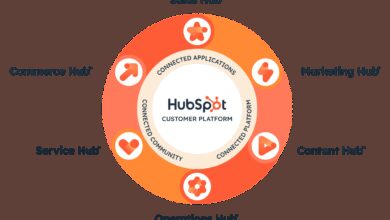
HubSpot CRM stands out for its user-friendly interface and free core offering. It’s ideal for small to mid-sized businesses looking to grow through inbound marketing, sales, and customer service.
- Free CRM with contact management, email tracking, and deal pipelines.
- Seamless integration with marketing automation, CMS, and service hubs.
- Excellent onboarding experience and educational resources.
HubSpot’s ecosystem makes it one of the most accessible CRM based products for startups. Explore it at hubspot.com.
Microsoft Dynamics 365: Enterprise Powerhouse
Microsoft Dynamics 365 combines CRM and ERP functionalities, making it a top choice for large organizations already embedded in the Microsoft ecosystem.
- Deep integration with Office 365, Teams, and Power BI.
- Modular design—businesses can adopt sales, customer service, field service, or marketing modules independently.
- Strong AI and analytics capabilities for forecasting and customer insights.
It’s particularly effective for B2B companies with complex sales cycles. More details at dynamics.microsoft.com.
Zoho CRM: Affordable and Feature-Rich
Zoho CRM is a favorite among small and medium businesses due to its affordability and comprehensive feature set. It offers AI-powered assistants, workflow automation, and multi-channel communication tools.
- Zia AI provides sales predictions, sentiment analysis, and voice commands.
- Highly customizable with Blueprint workflows for process management.
- Part of the larger Zoho ecosystem, which includes email, finance, and project management tools.
Zoho CRM proves that powerful CRM based products don’t have to break the bank. Visit zoho.com/crm to learn more.
Pipedrive: Sales-Focused Simplicity
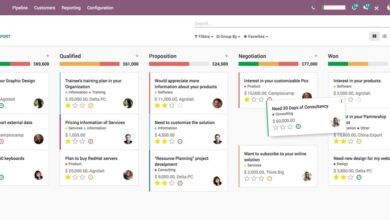
Pipedrive is built for sales teams that want a visual, pipeline-driven approach. Its drag-and-drop interface makes it easy to track deals and forecast revenue.
- Visual sales pipeline keeps teams focused on moving deals forward.
- Activity reminders, email integration, and reporting tools enhance productivity.
- Strong mobile app for on-the-go sales reps.
It’s especially popular with startups and SMBs in competitive sales environments. Check it out at pipedrive.com.
Insightly: CRM for Project-Driven Teams
Insightly bridges the gap between CRM and project management, making it ideal for professional services, consulting, and agencies.
- Links customer records with projects, tasks, and milestones.
- Supports relationship linking to map complex organizational hierarchies.
- Offers automation and reporting for client lifecycle management.
For teams where client delivery is as important as acquisition, Insightly’s CRM based products offer a unique advantage. Learn more at insightly.com.
Oracle CX: Scalable for Global Enterprises
Oracle Customer Experience (CX) is a suite of CRM based products designed for large, multinational corporations with complex customer journeys.
- Covers marketing, sales, service, loyalty, and commerce.
- Leverages machine learning for real-time personalization.
- Offers industry-specific solutions for finance, healthcare, and retail.
Oracle’s strength lies in its ability to handle massive data volumes and integrate with legacy systems. Explore Oracle CX at oracle.com/cx.
Key Features to Look for in CRM Based Products
Not all CRM based products are created equal. Choosing the right one depends on your business goals, team size, and industry. Here are the essential features you should prioritize.
Contact and Lead Management
The foundation of any CRM system is its ability to store and organize customer data. Effective contact management allows you to track interactions, segment audiences, and personalize communication.
- Automated data capture from emails, forms, and calls.
- Duplicate detection and data enrichment tools.
- Custom fields and tagging for detailed segmentation.
Automation and Workflow Tools
One of the biggest advantages of CRM based products is automation. From sending follow-up emails to assigning tasks, automation reduces manual work and ensures consistency.
- Trigger-based actions (e.g., send email when lead reaches stage 3).
- Approval workflows for quotes or contracts.
- Integration with external tools like Slack or Zapier.
“Automation in CRM can save up to 40% of a sales team’s time.” — McKinsey & Company
Analytics and Reporting
Data is only valuable if you can understand it. Robust reporting tools help you measure performance, identify trends, and forecast sales.
- Custom dashboards for sales, marketing, and service teams.
- Real-time KPIs like conversion rates, average deal size, and customer lifetime value.
- Exportable reports for stakeholder presentations.
How CRM Based Products Improve Sales Efficiency
Sales teams are among the biggest beneficiaries of CRM based products. These tools provide structure, visibility, and intelligence that directly impact revenue growth.
Centralized Sales Pipeline
A CRM gives sales managers a real-time view of all deals in progress. This visibility helps in forecasting, identifying bottlenecks, and coaching reps.
- Drag-and-drop stages to reflect your sales process.
- Color-coded priorities and next-step reminders.
- Team-wide transparency without micromanagement.
Lead Scoring and Prioritization
Not all leads are equal. CRM based products use behavioral and demographic data to score leads, helping sales teams focus on the most promising prospects.
- Automated scoring based on website visits, email opens, and form submissions.
- Integration with marketing automation to track engagement.
- Dynamic scoring that updates in real time.
Mobile Access and Offline Functionality
Salespeople are often on the move. Mobile CRM apps ensure they can access customer data, update records, and log calls from anywhere.
- Full-featured iOS and Android apps.
- Offline mode for data entry without internet.
- Synchronization when back online.
Enhancing Customer Service with CRM Based Products
Exceptional customer service is a key differentiator. CRM based products empower support teams to deliver faster, more personalized experiences.
Unified Customer View
Support agents can see a customer’s entire history—past purchases, previous tickets, communication logs—all in one place.
- Reduces repeat explanations and improves resolution time.
- Enables context-aware responses.
- Supports omnichannel service (email, chat, phone, social media).
Case Management and Ticketing
CRM systems streamline the support process by organizing inquiries into trackable cases with priorities, SLAs, and escalation paths.
- Automated ticket routing based on issue type or agent expertise.
- Knowledge base integration for self-service.
- Customer satisfaction (CSAT) surveys post-resolution.
Self-Service Portals and Chatbots
Modern CRM based products include AI-powered chatbots and customer portals, reducing the load on human agents.
- Chatbots handle common queries 24/7.
- Portals allow customers to track orders, update info, and access help articles.
- Deflects up to 30% of routine support tickets.
Integrating CRM Based Products with Marketing Automation
Marketing and sales alignment is critical for growth. CRM based products that integrate with marketing automation platforms create a seamless customer journey.
Email Campaign Management
CRM systems allow marketers to design, send, and track email campaigns directly from the platform.
- Personalized emails using dynamic fields (e.g., first name, company).
- A/B testing for subject lines and content.
- Detailed analytics: open rates, click-through rates, conversions.
Lead Nurturing and Drip Campaigns
Automated drip campaigns keep prospects engaged over time, moving them down the funnel.
- Triggered emails based on user behavior (e.g., downloaded a whitepaper).
- Multi-touch sequences over days or weeks.
- Lead scoring updates based on engagement.
Social Media Integration
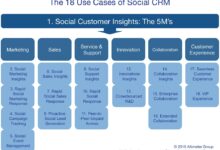
CRM based products now connect with social platforms to monitor mentions, engage followers, and track campaign performance.
- Listen to brand mentions and respond in real time.
- Schedule posts and analyze engagement metrics.
- Identify influencers and brand advocates.
Choosing the Right CRM Based Product for Your Business
Selecting a CRM isn’t a one-size-fits-all decision. It requires careful evaluation of your needs, budget, and long-term goals.
Assess Your Business Needs
Start by identifying your pain points. Are you losing leads? Struggling with customer retention? Need better reporting?
- Map your customer journey from awareness to advocacy.
- Involve sales, marketing, and service teams in the evaluation.
- Define key requirements and must-have features.
Consider Scalability and Flexibility
Choose a CRM based product that can grow with your business. Avoid solutions that are too rigid or too complex for your current stage.
- Cloud-based systems offer easier scaling.
- Modular platforms allow incremental adoption.
- API access enables future integrations.
Evaluate Total Cost of Ownership
Beyond subscription fees, consider implementation, training, customization, and support costs.
- Free tiers may lack advanced features or support.
- Enterprise plans can be costly but offer deeper functionality.
- Hidden costs include data migration and third-party integrations.
Future Trends in CRM Based Products
The CRM landscape is evolving rapidly, driven by AI, data privacy, and changing customer expectations. Staying ahead means understanding where the technology is headed.
Artificial Intelligence and Predictive Analytics
AI is no longer a luxury—it’s a core component of modern CRM based products. From chatbots to predictive lead scoring, AI enhances decision-making and efficiency.
- Natural language processing for sentiment analysis.
- Forecasting tools that predict churn or upsell opportunities.
- Automated data entry and note-taking during calls.
Hyper-Personalization and Customer Journey Mapping
Customers expect experiences tailored to their needs. CRM systems are becoming more adept at mapping individual journeys and delivering personalized content.
- Behavioral triggers for real-time offers.
- Dynamic content based on user preferences.
- Multi-touch attribution modeling.
Privacy-First CRM Design
With regulations like GDPR and CCPA, CRM based products must prioritize data security and user consent.
- Granular permission controls and audit logs.
- Consent management for marketing communications.
- Encryption and secure data storage protocols.
What are CRM based products?
CRM based products are software platforms that help businesses manage customer interactions, streamline sales processes, and improve customer service by centralizing data and automating workflows.
Which CRM based product is best for small businesses?
HubSpot CRM and Zoho CRM are excellent choices for small businesses due to their affordability, ease of use, and robust free tiers.
Can CRM based products integrate with other tools?
Yes, most CRM based products offer integrations with email, marketing automation, e-commerce, and productivity tools via APIs or native connectors.
How do CRM systems improve customer satisfaction?
By providing a unified view of the customer, CRM systems enable faster response times, personalized service, and proactive support, all of which enhance customer satisfaction.
Are CRM based products worth the investment?
Absolutely. Studies show that businesses using CRM based products see up to a 30% increase in sales productivity and a 25% improvement in customer retention.
CRM based products are no longer optional—they are essential for any business serious about growth, efficiency, and customer satisfaction. From Salesforce’s enterprise-grade power to HubSpot’s user-friendly ecosystem, the right CRM can transform how you engage with customers. As AI, automation, and personalization continue to evolve, these tools will only become more intelligent and indispensable. The key is to choose a solution that aligns with your goals, scales with your growth, and empowers your team to deliver exceptional experiences. The future of customer relationships is here, and it’s powered by CRM.
Further Reading: