Imagine having every customer interaction, preference, and history neatly stored and instantly accessible. That’s the magic of a crm base de donnee—your business’s secret weapon for smarter decisions and stronger relationships.






What Is a CRM Base de Donnee?

A crm base de donnee is the backbone of any modern Customer Relationship Management (CRM) system. It refers to the centralized database that stores all customer-related information, from contact details and purchase history to communication logs and support tickets. This structured repository allows businesses to manage interactions efficiently and personalize customer experiences.
The Core Structure of a CRM Database
At its heart, a crm base de donnee is built on relational data models. It organizes information into tables—such as customers, leads, sales, and service records—that are interconnected through unique identifiers like customer IDs. This relational design ensures data consistency and enables complex queries across departments.
- Customers table: Name, email, phone, address
- Interactions table: Call logs, emails, meeting notes
- Sales table: Deals, quotes, invoices
These tables are linked so that when a sales rep pulls up a client profile, they see a complete 360-degree view. For example, Salesforce’s CRM platform uses such architecture to deliver real-time insights. You can explore their data model here.
How It Differs From Traditional Databases
While traditional databases store raw data, a crm base de donnee is purpose-built for customer engagement. It includes automation features, workflow triggers, and integration capabilities with marketing and support tools. Unlike generic databases, CRM systems are designed for usability by non-technical staff, offering dashboards, reports, and AI-driven recommendations.
“A CRM database isn’t just about storage—it’s about activation. It turns data into action.” — Gartner Research
Why Your Business Needs a CRM Base de Donnee
In today’s hyper-competitive market, understanding your customers isn’t optional—it’s essential. A crm base de donnee empowers organizations to move from reactive to proactive engagement. Whether you’re a startup or an enterprise, this system can transform how you interact with clients.
Improved Customer Insights and Personalization
With a crm base de donnee, businesses can track customer behavior over time. This includes purchase frequency, product preferences, and response to marketing campaigns. Armed with this data, companies can deliver hyper-personalized experiences. For instance, an e-commerce brand can recommend products based on past purchases and browsing history.
- Segment customers by behavior or demographics
- Trigger personalized email campaigns
- Anticipate needs using predictive analytics
According to a report by McKinsey, personalization can reduce acquisition costs by up to 50% and increase revenues by 5–15%. Learn more about personalization strategies here.
Enhanced Sales Efficiency and Forecasting
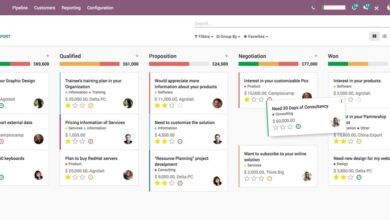
Sales teams benefit immensely from a crm base de donnee. It provides visibility into the sales pipeline, tracks deal progress, and automates follow-ups. Managers can forecast revenue more accurately by analyzing historical conversion rates and deal stages.
For example, HubSpot CRM offers visual pipeline tracking and forecasting tools that pull directly from the database. This transparency helps identify bottlenecks and optimize sales strategies.
“Companies using CRM see a 29% increase in sales performance.” — Nucleus Research
Key Features of a Modern CRM Base de Donnee
A robust crm base de donnee goes beyond simple contact management. Today’s platforms offer advanced functionalities that integrate seamlessly with other business systems. These features ensure scalability, security, and usability across teams.
Centralized Data Storage and Accessibility
One of the primary advantages of a crm base de donnee is centralization. Instead of scattered spreadsheets or siloed departmental files, all customer data resides in one secure location. This eliminates duplication and ensures everyone works with the most up-to-date information.
- Cloud-based access from any device
- Role-based permissions for data security
- Real-time synchronization across teams
Platforms like Zoho CRM provide multi-level access controls and audit trails to maintain data integrity. Explore Zoho’s security features here.
Automation and Workflow Integration
Automation is a game-changer in CRM systems. A crm base de donnee can trigger actions based on predefined rules—such as sending a welcome email after lead capture or assigning a support ticket to the right agent.
These workflows reduce manual effort and minimize human error. For example, when a customer abandons a cart, the system can automatically send a reminder email with a discount code, increasing conversion chances.
“Automation in CRM can save up to 40% of administrative time.” — Salesforce State of Sales Report
How to Build an Effective CRM Base de Donnee
Creating a successful crm base de donnee requires careful planning and execution. It’s not just about installing software—it’s about aligning technology with business goals and processes.
Define Your Data Requirements
Start by identifying what data you need to collect. This depends on your industry, customer journey, and business objectives. Common data fields include:
- Basic contact information (name, email, phone)
- Demographics (age, location, job title)
- Behavioral data (website visits, email opens)
- Transaction history (orders, payments, returns)
Ensure these fields map to your sales, marketing, and service workflows. Over-collecting data can lead to clutter, while under-collecting limits insights.
Choose the Right CRM Platform
Not all CRM systems are created equal. Evaluate platforms based on scalability, integration capabilities, and ease of use. Popular options include:
- Salesforce: Best for large enterprises with complex needs
- HubSpot CRM: Ideal for small to mid-sized businesses
- Microsoft Dynamics 365: Great for organizations already using Microsoft 365
Consider factors like pricing, customer support, and mobile accessibility. Read independent reviews on G2 to compare user experiences.
Integrating Your CRM Base de Donnee With Other Tools
A standalone crm base de donnee has value, but its true power emerges when integrated with other business systems. Seamless connectivity ensures data flows freely across marketing, sales, and customer service.
Marketing Automation Platforms
Integrating your crm base de donnee with tools like Mailchimp or Marketo allows for synchronized campaign management. When a lead is updated in the CRM, the marketing platform can automatically adjust their segmentation and content delivery.
- Sync lead status changes in real time
- Track campaign ROI by linking email performance to sales outcomes
- Use CRM data to personalize landing pages
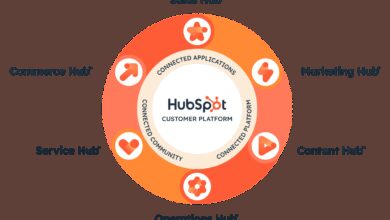
For example, HubSpot’s native integration between CRM and marketing tools enables closed-loop reporting, showing exactly which campaigns drive revenue.
Customer Support and Helpdesk Systems
Linking your crm base de donnee with support platforms like Zendesk or Freshdesk ensures agents have full context during interactions. They can see past purchases, previous tickets, and communication history without switching systems.
This integration reduces resolution time and improves customer satisfaction. According to Zendesk, companies using integrated CRM and support systems see a 30% faster response time.
“Integrated systems reduce customer effort by 25%.” — Forrester Research
Security and Compliance in CRM Base de Donnee Management
With great data comes great responsibility. A crm base de donnee contains sensitive customer information, making it a prime target for breaches. Ensuring security and compliance is non-negotiable.
Data Encryption and Access Controls
Top CRM platforms use end-to-end encryption to protect data both at rest and in transit. Additionally, role-based access controls ensure that only authorized personnel can view or edit sensitive records.
- Implement multi-factor authentication (MFA)
- Regularly audit user access logs
- Encrypt backups and offsite storage
Salesforce, for instance, complies with ISO 27001, SOC 1/2/3, and GDPR standards. Learn more about their compliance here.
GDPR and Data Privacy Regulations
If you operate in or serve customers in the EU, your crm base de donnee must comply with the General Data Protection Regulation (GDPR). This includes obtaining explicit consent for data collection, enabling data portability, and honoring the right to be forgotten.
CRM systems like Pipedrive offer built-in GDPR tools, including consent checkboxes and automated data deletion workflows.
“68% of consumers say they won’t do business with a company if they don’t trust how it handles their data.” — Cisco Consumer Privacy Survey
Measuring the ROI of Your CRM Base de Donnee
Investing in a crm base de donnee is a strategic decision. To justify the cost, businesses must track return on investment (ROI) through measurable KPIs.
Key Performance Indicators (KPIs) to Track
To evaluate the effectiveness of your CRM database, monitor these critical metrics:
- Customer acquisition cost (CAC)
- Customer lifetime value (CLV)
- Sales conversion rate
- Customer retention rate
- Support ticket resolution time
For example, if your CAC decreases while CLV increases after CRM implementation, it indicates improved efficiency and customer satisfaction.
Calculating Financial Impact
ROI can be calculated using the formula: (Gain from Investment – Cost of Investment) / Cost of Investment.
Suppose your CRM costs $10,000 annually but increases annual sales by $50,000. Your ROI is ($50,000 – $10,000) / $10,000 = 400%. This demonstrates significant value.
Nucleus Research found that the average ROI for CRM implementations is $8.71 for every dollar spent. Read the full study here.
Future Trends in CRM Base de Donnee Technology
The evolution of crm base de donnee systems is accelerating, driven by AI, machine learning, and cloud computing. Staying ahead of these trends ensures your business remains competitive.
Artificial Intelligence and Predictive Analytics
AI is transforming CRM databases from static repositories into intelligent engines. Predictive analytics can forecast customer churn, recommend next-best actions, and even draft personalized emails.
- AI-powered chatbots pull data from the CRM in real time
- Predictive lead scoring prioritizes high-value prospects
- Natural language processing (NLP) analyzes customer sentiment
Salesforce Einstein is a prime example, offering AI-driven insights directly within the CRM interface.
Cloud-Native and Scalable Architectures
Modern crm base de donnee systems are increasingly cloud-native, offering greater scalability and resilience. Cloud platforms enable automatic updates, global access, and seamless integration with third-party apps.
They also support hybrid and remote work models, which are now standard in many industries. AWS and Microsoft Azure provide robust infrastructure for hosting CRM databases securely.
“By 2025, 95% of new CRM deployments will be cloud-based.” — IDC Forecast
What is a CRM base de donnee?
A CRM base de donnee is a centralized digital repository that stores all customer-related information, enabling businesses to manage interactions, analyze behavior, and improve service delivery through a unified platform.
How does a CRM database improve sales?
It provides real-time visibility into the sales pipeline, automates follow-ups, enables accurate forecasting, and equips sales teams with complete customer histories to personalize outreach and close deals faster.
Is a CRM database secure?
Yes, modern CRM databases use advanced security measures like encryption, multi-factor authentication, and compliance with regulations such as GDPR and SOC 2 to protect sensitive customer data.
Can small businesses benefit from a CRM database?
Absolutely. Small businesses can use CRM databases to scale operations, improve customer retention, and compete with larger players by delivering personalized experiences efficiently.
What are the best CRM platforms for building a database?
Top platforms include Salesforce, HubSpot CRM, Zoho CRM, Microsoft Dynamics 365, and Pipedrive—each offering robust database capabilities tailored to different business sizes and needs.
Implementing a crm base de donnee is no longer a luxury—it’s a necessity for businesses aiming to thrive in a data-driven world. From enhancing customer relationships to boosting operational efficiency, the benefits are clear and measurable. By choosing the right platform, ensuring data quality, and leveraging integrations, organizations can unlock the full potential of their customer data. As technology evolves, staying ahead means embracing AI, automation, and cloud innovation to keep your CRM database not just functional, but future-ready.
Further Reading: