Imagine a world where every customer feels personally attended to, 24/7, without hiring hundreds of agents. That’s the power of CRM with AI chatbot integration—transforming how businesses connect, convert, and retain customers.



What Is CRM with AI Chatbot Integration?

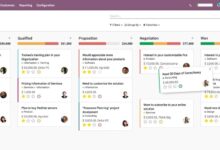
Customer Relationship Management (CRM) systems have long been the backbone of sales and marketing operations. When combined with AI-powered chatbots, they evolve into intelligent, responsive, and proactive tools that enhance customer engagement at every touchpoint. This integration allows businesses to automate communication, analyze customer behavior, and deliver personalized experiences in real time.
Defining CRM Systems
A CRM system is a centralized platform that stores customer data, tracks interactions, manages leads, and supports sales pipelines. From Salesforce to HubSpot, modern CRMs offer robust features for sales automation, marketing campaigns, and customer service management. These systems help organizations maintain consistency and improve efficiency across departments.
- Stores contact details, purchase history, and communication logs
- Tracks leads from initial inquiry to conversion
- Enables segmentation for targeted marketing
According to Salesforce, companies using CRM see a 41% increase in revenue within the first year of implementation.
Understanding AI Chatbots
AI chatbots are software programs powered by artificial intelligence and natural language processing (NLP) that simulate human conversation. Unlike rule-based bots, AI chatbots learn from interactions, understand context, and provide increasingly accurate responses over time. They can be deployed on websites, messaging apps, and social media platforms.
- Use machine learning to improve responses
- Handle complex queries through intent recognition
- Integrate with backend systems like databases and CRMs
“AI chatbots are not just tools—they’re digital employees that never sleep.” — Gartner Research
How Integration Works
Integrating an AI chatbot with a CRM involves connecting the chatbot platform (like Dialogflow, IBM Watson, or Microsoft Bot Framework) to a CRM system via APIs. When a customer interacts with the chatbot, relevant data—such as name, email, query type, and conversation history—is automatically synced to the CRM.
- Data flows bidirectionally: chatbot pulls customer info from CRM, pushes new interactions back
- Triggers automated workflows (e.g., lead assignment, follow-up emails)
- Enables real-time personalization based on CRM data
For example, if a returning customer asks about their order status, the chatbot retrieves the information directly from the CRM, providing instant, accurate responses without human intervention.
Top 7 Benefits of CRM with AI Chatbot Integration
The fusion of CRM and AI chatbots creates a synergy that amplifies business performance. Below are seven transformative benefits that make this integration a game-changer for modern enterprises.
1. 24/7 Customer Support Without Extra Costs
One of the most compelling advantages of CRM with AI chatbot integration is round-the-clock customer service. Unlike human agents who require breaks and shifts, AI chatbots operate continuously, answering queries instantly.
- Reduces response time from hours to seconds
- Lowers operational costs by up to 30%, according to McKinsey
- Handles high volumes during peak times without delays
This constant availability boosts customer satisfaction and prevents lost opportunities due to unanswered questions.
2. Enhanced Lead Generation and Qualification
AI chatbots act as frontline sales agents, engaging website visitors in real time. By asking qualifying questions and capturing intent, they identify hot leads and push them directly into the CRM for immediate follow-up.
- Engages visitors with personalized prompts based on browsing behavior
- Qualifies leads using predefined scoring models in the CRM
- Automatically assigns leads to the right sales representative
A study by Drift found that companies using chatbots for lead generation see a 300% increase in qualified leads.
3. Personalized Customer Experiences at Scale
With access to CRM data, AI chatbots deliver hyper-personalized interactions. Whether it’s addressing a customer by name, recommending products based on past purchases, or referencing previous support tickets, personalization builds trust and loyalty.
- Uses purchase history and preferences to suggest relevant offers
- Remembers past conversations across sessions
- Adapts tone and content based on customer profile
“Personalization isn’t a luxury—it’s an expectation.” — Harvard Business Review
CRM with AI chatbot integration enables businesses to treat each customer as an individual, even when managing millions.
4. Real-Time Data Synchronization and Analytics
Every interaction with a chatbot generates valuable data. When integrated with a CRM, this data is instantly logged, analyzed, and used to refine strategies. Sales teams gain insights into customer pain points, marketing identifies high-performing campaigns, and product teams spot emerging trends.
- Tracks customer sentiment and feedback in real time
- Generates reports on chatbot performance and user behavior
- Feeds predictive analytics models for forecasting
This continuous loop of data collection and analysis empowers data-driven decision-making across the organization.
5. Faster Sales Cycles and Higher Conversion Rates
AI chatbots reduce friction in the buyer’s journey by answering questions, guiding users through product selections, and even initiating checkout processes. When combined with CRM workflows, they accelerate the path from inquiry to purchase.
- Provides instant product comparisons and pricing details
- Schedules demos or consultations directly into CRM calendars
- Sends personalized follow-ups based on user behavior
According to IBM, businesses using AI in sales see a 60% shorter sales cycle and a 20% increase in conversions.
6. Seamless Handoff to Human Agents
While AI chatbots handle routine inquiries, complex issues still require human expertise. A well-integrated CRM with AI chatbot integration ensures smooth handoffs, where agents receive full context of the conversation, eliminating the need for customers to repeat themselves.
- Transfers chat history, customer profile, and issue summary to live agents
- Prioritizes tickets based on urgency and customer value
- Triggers internal alerts for VIP customers or critical issues
This hybrid model maximizes efficiency while maintaining high-quality service.
7. Scalability for Growing Businesses
As businesses expand, so does customer demand. Hiring and training new staff is costly and time-consuming. CRM with AI chatbot integration offers instant scalability—handling thousands of simultaneous conversations without additional overhead.
- Deploys across multiple channels (web, mobile, social) with one setup
- Adapts to seasonal spikes in traffic
- Supports multilingual interactions for global audiences
Startups and enterprises alike benefit from this flexibility, ensuring consistent service regardless of size.
How to Choose the Right CRM with AI Chatbot Integration Platform
Selecting the ideal platform requires careful evaluation of features, compatibility, and long-term goals. Not all CRMs and chatbot tools integrate seamlessly, so due diligence is essential.
Key Features to Look For
When evaluating platforms for CRM with AI chatbot integration, prioritize the following capabilities:
- API Accessibility: Ensure both the CRM and chatbot platform offer robust, well-documented APIs for integration.
- Natural Language Understanding (NLU): The chatbot should accurately interpret user intent, even with typos or slang.
- CRM Field Mapping: Ability to map chatbot-collected data to specific CRM fields (e.g., first name → FirstName field).
- Workflow Automation: Supports triggers like sending emails, creating tasks, or updating lead status.
- Analytics Dashboard: Provides insights into chatbot performance, user engagement, and conversion metrics.
Platforms like Zoho CRM and Intercom offer native chatbot builders with deep CRM integration.
Compatibility with Existing Systems
Before adopting a new solution, assess how well it integrates with your current tech stack. Does it work with your email marketing tool, helpdesk software, or e-commerce platform? Poor integration can lead to data silos and operational inefficiencies.
- Check for pre-built connectors (e.g., Zapier, Make)
- Verify support for single sign-on (SSO) and data encryption
- Ensure mobile app compatibility for remote teams
For instance, Salesforce integrates with Einstein Bot, allowing businesses to build AI assistants without third-party tools.
User Experience and Training Requirements
A powerful system is only effective if your team can use it. Evaluate the learning curve and available training resources.
- Look for drag-and-drop bot builders that don’t require coding
- Check for onboarding support, video tutorials, and community forums
- Test the admin interface for ease of managing conversations and rules
Platforms like HubSpot offer intuitive interfaces that enable marketers and sales reps to manage chatbots without IT assistance.
Real-World Use Cases of CRM with AI Chatbot Integration
The true value of CRM with AI chatbot integration becomes evident through real-world applications. Across industries, companies are leveraging this technology to solve specific challenges and drive growth.
E-Commerce: Boosting Sales and Reducing Cart Abandonment
Online retailers face high cart abandonment rates—often exceeding 70%. AI chatbots integrated with CRM systems intervene in real time to recover lost sales.
- Send reminders to users who left items in their cart
- Offer discounts or answer product questions during checkout
- Log abandoned cart interactions in CRM for retargeting campaigns
For example, H&M uses an AI chatbot on its website to assist shoppers with style recommendations, which are then stored in their CRM for future marketing.
Banking and Finance: Secure, Instant Customer Service
Financial institutions use CRM with AI chatbot integration to provide secure, compliant support. Chatbots verify identities, check balances, and explain financial products—all while logging interactions for audit trails.
- Handle password resets and account inquiries securely
- Escalate fraud alerts to human agents with full context
- Provide personalized investment advice based on CRM-stored risk profiles
Bank of America’s Erica assistant serves over 25 million users, reducing call center volume by 20%.
Healthcare: Streamlining Patient Engagement
In healthcare, timely communication is critical. AI chatbots integrated with patient management CRMs schedule appointments, send reminders, and answer common medical questions.
- Reduce no-show rates with automated SMS and chat reminders
- Collect patient symptoms for triage and route to appropriate staff
- Maintain HIPAA-compliant records within the CRM
Kaiser Permanente uses an AI assistant to manage appointment bookings, freeing up staff for higher-value tasks.
Challenges and Limitations of CRM with AI Chatbot Integration
Despite its many advantages, CRM with AI chatbot integration is not without challenges. Understanding these limitations helps organizations implement solutions more effectively.
Data Privacy and Security Concerns
Handling sensitive customer data through chatbots raises privacy issues. If not properly secured, chatbot-CRM integrations can become targets for data breaches.
- Ensure end-to-end encryption for all communications
- Comply with regulations like GDPR, CCPA, and HIPAA
- Implement role-based access controls in the CRM
Regular security audits and penetration testing are essential to maintain trust.
Over-Reliance on Automation
While automation improves efficiency, excessive reliance on chatbots can frustrate customers when they can’t reach a human. A poor handoff process or rigid bot logic can damage customer relationships.
- Design chatbots to recognize frustration cues (e.g., repeated questions)
- Allow easy opt-out to live agents
- Monitor customer satisfaction scores (CSAT) post-interaction
“Automation should enhance, not replace, the human touch.” — Forbes
Integration Complexity and Maintenance
Setting up and maintaining a CRM with AI chatbot integration can be technically challenging. Custom workflows, API errors, and updates may require ongoing IT support.
- Use middleware platforms like Zapier or Microsoft Power Automate to simplify connections
- Allocate resources for regular bot training and content updates
- Monitor system performance to prevent downtime
Investing in a dedicated integration specialist or managed service provider can mitigate these risks.
Future Trends in CRM with AI Chatbot Integration
The landscape of CRM with AI chatbot integration is rapidly evolving. Emerging technologies and shifting customer expectations are shaping the next generation of intelligent customer engagement.
Advanced Natural Language Processing (NLP)
Future chatbots will understand not just words, but tone, emotion, and context. With advancements in NLP, bots will detect sarcasm, urgency, and sentiment, allowing for more empathetic responses.
- Integrate voice tone analysis in phone-based chatbots
- Use emotion detection to escalate distressed customers faster
- Adapt language style to match customer personality types
Google’s LaMDA and OpenAI’s GPT models are paving the way for conversational AI that feels truly human.
Predictive Customer Service
AI will move from reactive to proactive service. By analyzing CRM data, chatbots will anticipate customer needs before they arise.
- Send renewal reminders before subscriptions expire
- Offer troubleshooting tips before a device fails
- Suggest upgrades based on usage patterns
This predictive capability transforms customer service from a cost center to a revenue driver.
Hyper-Personalization with Machine Learning
Machine learning models will enable chatbots to deliver individualized experiences at scale. By continuously learning from CRM interactions, bots will refine recommendations and communication strategies.
- Personalize marketing messages based on real-time behavior
- Adjust pricing or promotions dynamically for high-value customers
- Optimize chatbot scripts based on conversion outcomes
The future of CRM with AI chatbot integration is not just automation—it’s anticipation.
Getting Started: A Step-by-Step Implementation Guide
Implementing CRM with AI chatbot integration doesn’t have to be overwhelming. Follow this structured approach to ensure a successful rollout.
Step 1: Define Your Objectives
Start by identifying your primary goals. Are you aiming to improve customer support, generate more leads, or increase sales conversions? Clear objectives guide platform selection and success metrics.
- Set measurable KPIs (e.g., reduce response time by 50%)
- Align chatbot goals with overall business strategy
- Involve stakeholders from sales, marketing, and support teams
Step 2: Audit Your Current CRM and Data
Assess your existing CRM setup. Is your data clean, organized, and accessible? Poor data quality undermines chatbot performance.
- Remove duplicates and outdated records
- Standardize naming conventions and field formats
- Ensure critical fields (email, phone, purchase history) are populated
A well-maintained CRM ensures the chatbot has accurate information to work with.
Step 3: Select and Configure the Chatbot Platform
Choose a chatbot builder that integrates natively with your CRM or supports API connections. Configure basic intents (e.g., “check order status,” “contact support”) and design conversation flows.
- Use templates to speed up development
- Test conversations with real user scenarios
- Enable fallback responses for unrecognized queries
Tools like ManyChat, Tidio, and Freshchat offer user-friendly interfaces for non-technical users.
Step 4: Integrate with CRM Using APIs
Connect the chatbot to your CRM using API keys or integration platforms. Map data fields so that information flows seamlessly between systems.
- Sync new leads from chatbot to CRM lead database
- Pull customer history for personalized replies
- Trigger CRM workflows (e.g., assign task to sales rep)
Test the integration thoroughly with sample interactions before going live.
Step 5: Train, Test, and Launch
Train your chatbot with real customer queries and test it across devices and channels. Conduct internal trials with employees to identify gaps.
- Refine responses based on feedback
- Monitor performance metrics (accuracy, resolution rate)
- Launch in phases—start with a small audience, then scale
Post-launch, continuously optimize based on user behavior and CRM insights.
What is CRM with AI chatbot integration?
CRM with AI chatbot integration combines customer relationship management systems with artificial intelligence-powered chatbots to automate communication, enhance personalization, and improve customer service efficiency.
How does AI chatbot integration improve customer service?
It enables 24/7 support, instant responses, personalized interactions using CRM data, and seamless handoffs to human agents, resulting in faster resolution and higher satisfaction.
Can small businesses benefit from CRM with AI chatbot integration?
Absolutely. Small businesses can automate lead capture, reduce support workload, and deliver enterprise-level service without hiring large teams, leveling the playing field with bigger competitors.
Is CRM with AI chatbot integration secure?
Yes, when implemented with proper encryption, access controls, and compliance measures (e.g., GDPR, HIPAA), the integration can be highly secure. Regular audits and updates are essential.
Which CRM platforms offer built-in AI chatbot features?
Salesforce (Einstein Bot), HubSpot (Chatflows), Zoho CRM (Zobot), and Microsoft Dynamics 365 (Power Virtual Agents) offer native AI chatbot capabilities with deep CRM integration.
CRM with AI chatbot integration is no longer a futuristic concept—it’s a present-day necessity for businesses aiming to deliver exceptional customer experiences. From automating support to generating high-quality leads and enabling predictive service, this powerful combination drives efficiency, scalability, and growth. By understanding its benefits, navigating challenges, and following a structured implementation plan, organizations of all sizes can harness its full potential. The future of customer engagement is intelligent, immediate, and integrated.
CRM with AI Chatbot Integration – CRM with AI Chatbot Integration menjadi aspek penting yang dibahas di sini.
Further Reading:
