In today’s fast-paced digital world, a cloud based saas crm solution is no longer a luxury—it’s a necessity. Discover how this powerful tool can transform your business with unmatched scalability, real-time insights, and seamless collaboration.



What Is a Cloud Based SaaS CRM Solution?

A cloud based saas crm solution is a customer relationship management system hosted on remote servers and delivered via the internet as a subscription service. Unlike traditional on-premise CRM software, it eliminates the need for physical infrastructure, offering businesses a flexible, scalable, and cost-effective way to manage customer interactions.
How SaaS CRM Differs from On-Premise Systems
Traditional CRM systems require companies to install and maintain software on their own servers. This involves significant upfront costs for hardware, licensing, and IT staff. In contrast, a cloud based saas crm solution is hosted and managed by the provider, allowing users to access the system from any device with an internet connection.
- Lower initial investment
- No need for in-house server maintenance
- Automatic software updates
According to Gartner, over 80% of new CRM deployments in 2023 were cloud-based, highlighting a clear industry shift.
Core Components of a SaaS CRM Platform
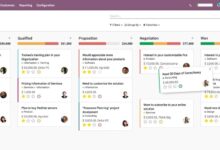
A robust cloud based saas crm solution typically includes modules for sales automation, marketing campaigns, customer service, and analytics. These components work together to provide a unified view of the customer journey.
- Sales Force Automation (SFA): Tracks leads, opportunities, and pipelines
- Marketing Automation: Manages email campaigns, lead scoring, and ROI tracking
- Customer Service & Support: Enables ticketing, knowledge bases, and live chat
- Analytics & Reporting: Delivers dashboards and KPIs in real time
“The future of CRM lies in the cloud—where agility, intelligence, and integration converge.” — Salesforce Research, 2023
Top 7 Benefits of a Cloud Based SaaS CRM Solution
Adopting a cloud based saas crm solution brings transformative advantages. From boosting team productivity to enhancing customer satisfaction, these benefits are driving digital transformation across industries.
1. Cost Efficiency and Predictable Pricing
One of the most compelling reasons businesses choose a cloud based saas crm solution is cost savings. Instead of large capital expenditures, companies pay a predictable monthly or annual subscription fee.
- No hardware purchases or maintenance
- Reduced IT staffing needs
- Scalable pricing based on user count or features
For example, platforms like Zoho CRM offer plans starting at $14/user/month, making enterprise-grade tools accessible to small businesses.
2. Rapid Deployment and Easy Setup
Unlike legacy systems that can take months to deploy, a cloud based saas crm solution can be up and running in days. Most providers offer intuitive setup wizards, pre-built templates, and guided onboarding.
- Minimal technical expertise required
- Quick integration with existing tools (e.g., email, calendars)
- Immediate access to core CRM functions
This speed-to-value is critical for startups and growing businesses that need to scale quickly without IT bottlenecks.
3. Automatic Updates and Innovation
With a SaaS CRM, software updates are handled automatically by the vendor. This ensures users always have access to the latest features, security patches, and performance improvements—without downtime or manual intervention.
- Continuous delivery of new AI-powered tools
- Compliance with evolving data regulations
- Seamless integration of emerging technologies
For instance, Salesforce Sales Cloud rolls out three major updates per year, each packed with AI, automation, and analytics enhancements.
4. Scalability to Match Business Growth
A cloud based saas crm solution scales effortlessly with your business. Whether you’re adding new users, expanding to new regions, or launching new product lines, the system adapts without requiring new infrastructure.
- Add or remove users with a few clicks
- Support for multi-language and multi-currency operations
- Flexible tiered plans to match business size
This elasticity makes SaaS CRM ideal for both SMBs and large enterprises undergoing digital transformation.
5. Remote Access and Mobile Capabilities
In an era of remote work and mobile-first engagement, a cloud based saas crm solution enables teams to access customer data anytime, anywhere. Most platforms offer dedicated mobile apps with full functionality.
- Real-time access to customer records on smartphones and tablets
- Offline mode for data entry without connectivity
- Push notifications for follow-ups and task reminders
According to a 2023 report by Forrester, mobile CRM usage increased by 67% among sales teams in the past two years.
6. Enhanced Data Security and Compliance
Contrary to common misconceptions, cloud-based CRMs often provide superior security compared to on-premise systems. Leading providers invest heavily in encryption, threat detection, and compliance certifications.
- End-to-end data encryption (in transit and at rest)
- Regular third-party security audits
- Compliance with GDPR, HIPAA, SOC 2, and CCPA
For example, Microsoft Dynamics 365 leverages Azure’s global data centers with built-in compliance frameworks, ensuring data protection across regions.
7. Seamless Integration with Business Ecosystems
A modern cloud based saas crm solution doesn’t operate in isolation. It integrates with email, calendars, ERP systems, marketing automation tools, and e-commerce platforms to create a unified workflow.
- Native integrations with tools like Gmail, Outlook, Slack, and Zoom
- API access for custom integrations
- Pre-built connectors via platforms like Zapier or Make
These integrations eliminate data silos and reduce manual data entry, improving accuracy and efficiency across departments.
Key Features to Look for in a Cloud Based SaaS CRM Solution
Not all CRM platforms are created equal. When evaluating a cloud based saas crm solution, focus on features that align with your business goals and operational needs.
Customization and Flexibility
A good CRM should adapt to your business processes—not the other way around. Look for platforms that allow you to customize fields, workflows, dashboards, and user roles.
- Drag-and-drop workflow builders
- Custom object creation
- Role-based access control
Platforms like HubSpot and Freshsales offer intuitive customization tools that empower non-technical users to tailor the system to their needs.
AI and Automation Capabilities
Artificial intelligence is revolutionizing CRM. Advanced cloud based saas crm solution platforms now include AI-driven features like predictive lead scoring, sentiment analysis, and automated follow-up suggestions.
- AI-powered chatbots for customer service
- Smart email drafting and scheduling
- Forecasting accuracy improvements by up to 40%
For example, Salesforce Einstein AI analyzes historical data to predict which leads are most likely to convert, helping sales teams prioritize efforts.
Real-Time Analytics and Reporting
Data-driven decision-making starts with real-time insights. A powerful cloud based saas crm solution provides customizable dashboards and reports that track KPIs across sales, marketing, and service.
- Visual dashboards with drag-and-drop widgets
- Exportable reports in PDF, Excel, or CSV
- Drill-down capabilities for deeper analysis
These tools help managers identify trends, spot bottlenecks, and optimize performance in real time.
Top Cloud Based SaaS CRM Solutions in 2024
The market is flooded with CRM options. Here’s a breakdown of the top cloud based saas crm solution platforms leading the industry in 2024.
Salesforce Sales Cloud
Salesforce remains the global leader in CRM, powering over 150,000 companies worldwide. Its cloud based saas crm solution offers unmatched depth, scalability, and ecosystem integration.
- AI-powered Einstein Analytics
- Extensive AppExchange marketplace with 3,000+ integrations
- Strong mobile and offline capabilities
Pricing starts at $25/user/month, making it ideal for mid-sized to large enterprises.
HubSpot CRM
HubSpot is renowned for its user-friendly interface and free tier, making it a favorite among startups and small businesses. Its cloud based saas crm solution integrates seamlessly with marketing, sales, and service hubs.
- Free plan with core CRM features
- Intuitive drag-and-drop email builder
- Powerful automation workflows
HubSpot’s transparency and ease of use have earned it a Net Promoter Score (NPS) of 67—well above industry average.
Microsoft Dynamics 365
For organizations already using Microsoft 365, Dynamics 365 offers deep integration with Outlook, Teams, and Power BI. Its cloud based saas crm solution is particularly strong in enterprise resource planning (ERP) alignment.
- Tight integration with Office 365 suite
- Advanced AI for sales forecasting
- Flexible deployment options (cloud, hybrid)
Priced at $65/user/month, it’s a premium option suited for large enterprises with complex needs.
How to Choose the Right Cloud Based SaaS CRM Solution
Selecting the right cloud based saas crm solution requires careful evaluation of your business size, industry, goals, and budget.
Assess Your Business Needs
Start by identifying your key pain points. Are you struggling with lead tracking? Poor customer service response times? Inefficient marketing campaigns? Define your objectives before evaluating vendors.
- Map out your customer journey
- List essential features (e.g., email tracking, call logging)
- Determine user count and departmental needs
This clarity will help you avoid overbuying or under-equipping your team.
Evaluate Total Cost of Ownership (TCO)
While SaaS CRM has lower upfront costs, consider long-term expenses like add-ons, training, and integration fees.
- Compare subscription tiers across vendors
- Factor in costs for premium support or consulting
- Estimate internal training and change management costs
A platform might seem affordable initially but become expensive with add-ons. Always request a detailed quote.
Test with a Free Trial or Demo
Most cloud based saas crm solution providers offer free trials or live demos. Use this opportunity to test usability, performance, and feature fit.
- Invite key team members to participate
- Simulate real-world scenarios (e.g., logging a call, creating a deal)
- Assess mobile app functionality
Hands-on experience is the best way to gauge whether a CRM will be adopted by your team.
Implementation Best Practices for Cloud Based SaaS CRM Solutions
Even the best cloud based saas crm solution will fail without proper implementation. Follow these best practices to ensure success.
Define Clear Goals and KPIs
Before going live, establish measurable objectives. Examples include increasing lead conversion by 20%, reducing response time by 30%, or improving customer satisfaction scores.
- Align CRM goals with overall business strategy
- Assign ownership of KPIs to team leaders
- Set up dashboards to track progress
Clear goals keep the implementation focused and results-oriented.
Ensure Data Quality and Migration
Poor data quality is a leading cause of CRM failure. Clean, accurate data is essential for reliable insights.
- Remove duplicates and outdated records
- Standardize naming conventions and formats
- Use automated tools for data migration
Many providers offer data migration services or partner with third-party tools like DemandTools to ensure a smooth transition.
Train Users and Drive Adoption
Even the most powerful cloud based saas crm solution is useless if employees don’t use it. Invest in comprehensive training and ongoing support.
- Conduct role-specific training sessions
- Create quick-reference guides and video tutorials
- Appoint internal CRM champions to encourage usage
According to Nucleus Research, companies with strong user adoption see 3x higher ROI from their CRM investments.
Future Trends Shaping Cloud Based SaaS CRM Solutions
The evolution of CRM is accelerating. Emerging technologies are redefining what a cloud based saas crm solution can do.
AI and Predictive Analytics Dominance
AI is moving from a nice-to-have to a core CRM capability. Future cloud based saas crm solution platforms will leverage machine learning to anticipate customer needs, recommend actions, and automate complex workflows.
- Predictive lead scoring based on behavioral data
- Natural language processing for call transcription and sentiment analysis
- Automated next-best-action recommendations
Gartner predicts that by 2025, 80% of CRM interactions will be influenced by AI.
Hyper-Personalization and Customer Experience
Customers expect personalized experiences. Advanced CRMs will use real-time data to deliver tailored content, offers, and support across channels.
- Dynamic content in emails and web pages
- Personalized product recommendations
- Context-aware chatbot interactions
This level of personalization strengthens loyalty and drives revenue.
Integration with IoT and Voice Technology
The Internet of Things (IoT) and voice assistants are opening new CRM frontiers. Imagine a CRM that receives data from connected devices or allows sales reps to log notes via voice commands.
- IoT sensors triggering service tickets automatically
- Voice-to-CRM integration for hands-free updates
- Smart speakers providing real-time sales forecasts
These innovations will make CRM more proactive and intuitive.
What is a cloud based saas crm solution?
A cloud based saas crm solution is a web-hosted customer relationship management system delivered as a subscription service. It allows businesses to manage customer interactions, sales pipelines, marketing campaigns, and support services via the internet without needing on-site servers.
What are the main advantages of using a SaaS CRM?
The key benefits include lower upfront costs, rapid deployment, automatic updates, scalability, remote access, enhanced security, and seamless integration with other business tools. These factors make it ideal for businesses of all sizes.
How much does a cloud based saas crm solution cost?
Prices vary by provider and features. Entry-level plans start at $10–$15/user/month (e.g., HubSpot, Zoho), while enterprise solutions like Salesforce or Dynamics 365 can range from $50–$300/user/month depending on functionality.
Can small businesses benefit from a cloud based saas crm solution?
Absolutely. Small businesses gain significant advantages from automation, improved customer tracking, and data-driven insights. Many platforms offer free or low-cost tiers specifically designed for startups and SMBs.
Is my data safe in a cloud based saas crm solution?
Yes. Reputable providers use advanced encryption, regular security audits, and compliance with international standards (GDPR, SOC 2, etc.) to protect your data. In many cases, cloud CRMs are more secure than on-premise systems due to dedicated security teams and infrastructure.
Adopting a cloud based saas crm solution is one of the most strategic moves a business can make in the digital age. From reducing operational costs to enhancing customer relationships, the benefits are clear and measurable. As technology evolves, these platforms will become even more intelligent, integrated, and indispensable. Whether you’re a startup or a global enterprise, the right CRM can be the catalyst for sustainable growth and competitive advantage.
Further Reading:
