Looking for the best cloud based CRM systems examples? You’re in the right place. In this comprehensive guide, we’ll explore powerful, real-world platforms that are transforming how businesses manage customer relationships—scalable, secure, and smarter than ever.



What Are Cloud Based CRM Systems? A Quick Overview

Cloud based CRM systems examples have revolutionized the way companies interact with customers. Unlike traditional on-premise software, these systems operate over the internet, allowing teams to access customer data anytime, anywhere. This shift has made CRM tools more flexible, cost-effective, and easier to scale.
How Cloud CRM Differs from On-Premise CRM
The key difference lies in deployment. On-premise CRM requires businesses to install software on local servers, manage updates manually, and maintain IT infrastructure. In contrast, cloud based CRM systems examples run on remote servers managed by the provider.
- Lower upfront costs
- Automatic software updates
- Remote access from any device
- Scalability based on business needs
According to Gartner, cloud CRM now dominates over 80% of the global CRM market, proving its superiority in agility and integration.
Core Features of Modern Cloud CRM Platforms
Today’s cloud based CRM systems examples come packed with intelligent features designed to streamline sales, marketing, and customer service. These include:
- Lead and contact management
- Sales pipeline tracking
- Automated email campaigns
- Customer support ticketing
- Analytics and reporting dashboards
- AI-powered insights and forecasting
These tools are no longer just databases—they’re dynamic engines driving customer engagement and revenue growth.
“The cloud has turned CRM from a back-office tool into a frontline growth accelerator.” – CRM Industry Analyst, Forrester Research
Top 7 Cloud Based CRM Systems Examples in 2024
Choosing the right CRM can make or break your customer strategy. Below, we dive into seven of the most powerful and widely used cloud based CRM systems examples that lead the market in innovation, usability, and ROI.
1. Salesforce Sales Cloud
Salesforce remains the undisputed leader in cloud CRM. Its Sales Cloud platform is a gold standard for enterprises and mid-sized businesses alike. With deep customization, AI integration (Einstein Analytics), and a vast app ecosystem via the AppExchange, it’s ideal for complex sales operations.
- Real-time sales forecasting
- Lead scoring and automation
- Mobile CRM with offline access
- Integration with marketing and service clouds
Salesforce’s strength lies in its scalability. Whether you’re a startup or a Fortune 500 company, it adapts. Learn more at salesforce.com.
2. HubSpot CRM
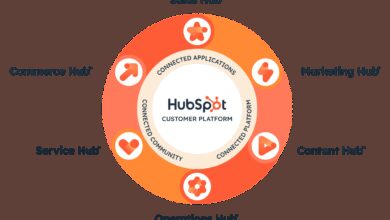
HubSpot CRM stands out for its user-friendly interface and free tier that’s surprisingly robust. It’s a favorite among small to mid-sized businesses looking for an all-in-one marketing, sales, and service platform.
- Free forever plan with core CRM features
- Seamless integration with email and calendar
- Marketing automation and landing pages
- Live chat and ticketing for customer service
HubSpot’s ecosystem grows with you. Start free, then scale into paid tools like CRM Professional or Enterprise. Visit hubspot.com to explore.
3. Zoho CRM
Zoho CRM offers exceptional value, especially for budget-conscious businesses. It combines affordability with powerful automation, AI (Zia), and deep integrations across the Zoho suite and third-party apps.
- AI-driven sales assistant
- Workflow automation builder
- Multi-channel communication (email, phone, social)
- Customizable dashboards and reports
Zoho is ideal for companies wanting enterprise-grade features without the enterprise price tag. More details at zoho.com/crm.
4. Microsoft Dynamics 365 Sales
If your business runs on Microsoft 365, Dynamics 365 Sales is a natural fit. It integrates seamlessly with Outlook, Teams, and Power BI, making it a powerful choice for organizations already in the Microsoft ecosystem.
- AI-driven insights and recommendations
- Embedded LinkedIn Sales Navigator
- Real-time collaboration in Teams
- Advanced analytics with Power BI
Dynamics 365 is particularly strong in regulated industries like finance and healthcare due to its robust security and compliance features. Explore it at dynamics.microsoft.com.
5. Pipedrive
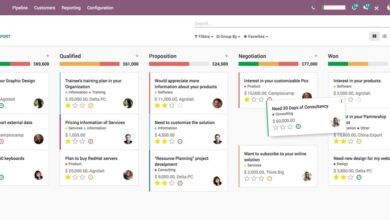
Pipedrive is built for sales teams that prioritize pipeline visibility. Its visual sales pipeline makes it easy to track deals, forecast revenue, and manage follow-ups—perfect for SMBs with active sales cycles.
- Drag-and-drop pipeline management
- Activity reminders and automation
- Integration with 600+ tools via Zapier
- Mobile app with voice-to-text notes
Pipedrive’s simplicity is its superpower. It reduces clutter and keeps your team focused on closing deals. Learn more at pipedrive.com.
6. Freshsales (by Freshworks)
Freshsales combines CRM with built-in phone, email, and chat capabilities. It’s designed for high-velocity sales teams that need everything in one place—no switching between apps.
- AI-based lead scoring (Freddy AI)
- Click-to-call and call recording
- Email tracking and templates
- Visual deal pipeline and timeline view
Freshsales shines in ease of setup and intuitive design. It’s a top contender for startups and growing teams. Visit freshworks.com/crm for a free trial.
7. Oracle CX Sales
Oracle CX Sales is a heavyweight for large enterprises with complex global operations. It offers deep integration with ERP and supply chain systems, making it ideal for manufacturing, retail, and logistics sectors.
- Advanced forecasting and territory management
- Embedded AI for deal insights
- Mobile offline capabilities
- Real-time collaboration across teams
While it has a steeper learning curve, Oracle delivers unmatched scalability and data depth. Discover more at oracle.com/cx/sales.
Key Benefits of Using Cloud Based CRM Systems Examples
Adopting a cloud based CRM system isn’t just about technology—it’s about transformation. These platforms deliver measurable advantages across departments and business sizes.
Cost Efficiency and Reduced IT Overhead
One of the biggest advantages of cloud based CRM systems examples is cost savings. There’s no need to purchase servers, hire dedicated IT staff, or pay for software licenses upfront.
- Subscription-based pricing (pay-as-you-go)
- No hardware maintenance costs
- Automatic updates included
This model shifts capital expenditure (CapEx) to operational expenditure (OpEx), improving cash flow for growing businesses.
Enhanced Collaboration and Remote Accessibility
In today’s hybrid work environment, access to customer data from anywhere is non-negotiable. Cloud CRM enables real-time collaboration across sales, marketing, and support teams—regardless of location.
- Access via web browser or mobile app
- Synchronized updates across devices
- Role-based permissions for security
Teams can log calls, update records, and share insights instantly, ensuring everyone is on the same page.
Scalability and Customization for Business Growth
As your business grows, your CRM should grow with you. Cloud based CRM systems examples offer modular architectures that allow you to add users, features, and integrations seamlessly.
- Add new users with a few clicks
- Scale from basic CRM to full-suite platforms
- Custom fields, workflows, and automation rules
This flexibility ensures you only pay for what you need—today and tomorrow.
How to Choose the Right Cloud Based CRM System for Your Business
With so many cloud based CRM systems examples available, selecting the right one requires careful evaluation. Consider these key factors before making a decision.
Assess Your Business Size and Needs
A startup with 5 sales reps has different needs than a multinational corporation. Start by identifying your core objectives:
- Do you need basic contact management?
- Are you running complex sales cycles?
- Do you require marketing automation?
Smaller businesses may thrive with HubSpot or Pipedrive, while enterprises might prefer Salesforce or Oracle.
Evaluate Integration Capabilities
Your CRM shouldn’t exist in isolation. It must integrate with your existing tools—email, calendar, marketing platforms, ERP, and e-commerce systems.
- Check native integrations (e.g., Gmail, Outlook, Shopify)
- Look for API access for custom connections
- Verify compatibility with automation tools like Zapier
For example, Salesforce offers over 3,000 pre-built integrations, while Zoho CRM integrates deeply with its own suite of 50+ apps.
cloud based crm systems examples – Cloud based crm systems examples menjadi aspek penting yang dibahas di sini.
Consider User Adoption and Training
Even the most powerful CRM fails if your team doesn’t use it. Prioritize platforms with intuitive interfaces and strong onboarding support.
- Free training resources and tutorials
- Dedicated customer success managers
- Mobile accessibility for field teams
HubSpot and Pipedrive are known for their ease of use, while Salesforce offers extensive certification programs to boost proficiency.
Real-World Use Cases of Cloud Based CRM Systems Examples
The true value of cloud based CRM systems examples becomes clear when you see them in action. Here are three real-world scenarios where CRM transformed business outcomes.
Case Study: E-Commerce Brand Boosts Retention with HubSpot
An online fashion retailer struggled with customer churn and disjointed communication. By implementing HubSpot CRM, they unified customer data from Shopify, email, and social media.
- Created personalized email workflows based on purchase history
- Automated post-purchase follow-ups and feedback requests
- Increased repeat customer rate by 35% in 6 months
The result? Higher customer lifetime value and improved brand loyalty.
Case Study: SaaS Company Scales Sales with Salesforce
A B2B SaaS startup experienced rapid growth but lacked visibility into their sales pipeline. They adopted Salesforce Sales Cloud to gain control over their complex sales process.
- Implemented lead scoring to prioritize high-intent prospects
- Used Einstein Analytics for accurate forecasting
- Integrated with LinkedIn Sales Navigator for prospecting
Sales cycle time decreased by 22%, and revenue grew by 60% year-over-year.
Case Study: Field Service Company Improves Efficiency with Zoho CRM
A HVAC service company needed a way to manage technician schedules, customer appointments, and follow-ups. Zoho CRM provided a mobile-first solution with workflow automation.
- Technicians updated job status in real-time via mobile app
- Automated reminders reduced missed appointments by 40%
- Customer satisfaction scores improved due to faster response times
The company reduced administrative overhead and increased service capacity by 25%.
Security and Data Privacy in Cloud Based CRM Systems
One common concern about cloud CRM is data security. However, leading cloud based CRM systems examples often provide better protection than on-premise solutions.
Encryption, Compliance, and Access Control
Top CRM providers invest heavily in security infrastructure. They use end-to-end encryption, multi-factor authentication, and role-based access controls to protect sensitive data.
- Data encrypted at rest and in transit
- Compliance with GDPR, HIPAA, and CCPA
- Regular third-party security audits
For example, Salesforce maintains ISO 27001 certification and offers advanced identity management features.
Disaster Recovery and Data Backup
Cloud CRM platforms automatically back up data across multiple geographic locations. This ensures business continuity even in the event of hardware failure or natural disasters.
- Automated daily backups
- Redundant data centers
- Disaster recovery protocols
Unlike on-premise systems, where backups depend on internal IT, cloud CRM providers guarantee uptime and data integrity.
Future Trends in Cloud Based CRM Systems Examples
The CRM landscape is evolving rapidly. As AI, automation, and customer expectations advance, cloud based CRM systems examples are becoming smarter and more predictive.
AI and Predictive Analytics
Artificial intelligence is no longer a luxury—it’s a core feature. AI-powered CRM tools can predict customer behavior, recommend next-best actions, and automate routine tasks.
- Salesforce Einstein predicts deal closure probability
- HubSpot uses AI to suggest email subject lines
- Zia by Zoho automates data entry and follow-up reminders
These capabilities reduce manual work and improve decision-making accuracy.
Hyper-Personalization and Customer Journey Mapping
Modern customers expect personalized experiences. Cloud CRM systems now track every interaction across channels—email, social, chat, phone—and build unified customer profiles.
- Behavioral tracking and segmentation
- Journey mapping with touchpoint analytics
- Dynamic content delivery based on user preferences
This enables businesses to deliver the right message, at the right time, through the right channel.
Integration with Emerging Technologies
The future of CRM includes deeper integration with IoT, voice assistants, and augmented reality. For example:
- Sensors in products trigger service requests automatically
- Voice-enabled CRM for hands-free data entry
- AR-powered product demos linked to CRM records
These innovations will further blur the lines between CRM and customer experience platforms.
What are cloud based CRM systems?
Cloud based CRM systems are customer relationship management tools hosted on remote servers and accessed via the internet. They allow businesses to manage customer data, sales pipelines, marketing campaigns, and support interactions in a centralized, scalable environment without needing on-site hardware.
What are the best cloud based CRM systems examples?
Some of the best cloud based CRM systems examples include Salesforce Sales Cloud, HubSpot CRM, Zoho CRM, Microsoft Dynamics 365 Sales, Pipedrive, Freshsales, and Oracle CX Sales. Each offers unique strengths depending on business size, industry, and technical needs.
Is HubSpot CRM really free?
Yes, HubSpot CRM offers a robust free plan that includes contact management, email tracking, deal pipelines, and basic reporting. Paid tiers add advanced features like automation, custom reporting, and team collaboration tools.
How secure are cloud CRM systems?
Top cloud CRM systems are highly secure, using encryption, compliance certifications (GDPR, HIPAA), multi-factor authentication, and regular security audits. In many cases, they are more secure than on-premise systems due to enterprise-grade infrastructure.
Can CRM systems integrate with other business tools?
Yes, most cloud based CRM systems examples offer extensive integration capabilities with email, calendars, marketing platforms, e-commerce stores, and ERP systems. Many support APIs and platforms like Zapier for custom connections.
Cloud based CRM systems examples are no longer optional—they’re essential for any business serious about customer relationships. From Salesforce to HubSpot, Zoho to Pipedrive, these platforms offer unmatched flexibility, intelligence, and scalability. Whether you’re a startup or a global enterprise, there’s a cloud CRM solution tailored to your needs. The key is to evaluate your goals, team size, and integration requirements carefully. As AI, automation, and personalization continue to evolve, the future of CRM is not just in the cloud—it’s intelligent, predictive, and customer-centric. Choosing the right system today sets the foundation for sustainable growth tomorrow.
cloud based crm systems examples – Cloud based crm systems examples menjadi aspek penting yang dibahas di sini.
Further Reading: