Imagine managing your entire customer journey from anywhere, on any device, with real-time data at your fingertips. That’s the power of a cloud based CRM app—transforming how businesses connect, convert, and retain customers like never before.



What Is a Cloud Based CRM App?

A cloud based CRM app is a customer relationship management solution hosted on remote servers and accessible via the internet. Unlike traditional on-premise CRM systems, these apps eliminate the need for physical infrastructure, offering businesses scalable, flexible, and cost-effective ways to manage customer interactions.
How It Differs from On-Premise CRM
Traditional CRM systems require companies to install and maintain software on local servers. This often involves high upfront costs, complex IT management, and limited accessibility. In contrast, a cloud based CRM app runs on secure data centers managed by the provider, enabling users to log in from any location with internet access.
- On-premise CRM requires internal IT teams for maintenance and updates.
- Cloud CRM automatically updates, reducing downtime and technical burden.
- Scalability is instant with cloud solutions; on-premise systems require hardware upgrades.
According to Gartner, over 80% of new CRM deployments in 2023 were cloud-based, signaling a massive shift in enterprise preference.
Core Components of a Cloud CRM System
A modern cloud based CRM app integrates several key modules to streamline business operations. These include contact management, sales automation, marketing tools, customer service support, and analytics.
- Contact Management: Stores customer data, interaction history, and communication logs.
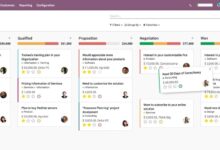
- Sales Pipeline Tracking: Visualizes deals in progress, forecast revenue, and identifies bottlenecks.
- Marketing Automation: Enables email campaigns, lead scoring, and campaign performance tracking.
“The cloud has democratized CRM technology, making enterprise-grade tools accessible to startups and SMBs alike.” — Salesforce Research, 2023
Top 7 Benefits of Using a Cloud Based CRM App
Adopting a cloud based CRM app isn’t just a tech upgrade—it’s a strategic move that impacts every corner of your business. From boosting team productivity to enhancing customer satisfaction, the advantages are both measurable and transformative.
1. Accessibility and Mobility
One of the standout features of a cloud based CRM app is its anywhere, anytime access. Sales reps in the field, support agents working remotely, or managers traveling internationally can all stay connected to the same system.
- Access via web browsers or mobile apps (iOS and Android).
- Synchronize data in real time across devices.
- Enable offline mode in some platforms for limited functionality without internet.
This flexibility ensures that no opportunity is missed due to location constraints. For example, a salesperson can update a deal status right after a client meeting using their smartphone, keeping the entire team informed instantly.
2. Cost Efficiency and Predictable Pricing
Traditional CRM setups often come with hidden costs—server hardware, software licenses, IT staffing, and maintenance. A cloud based CRM app replaces these with a subscription-based model, usually billed monthly or annually per user.
- No upfront capital investment in infrastructure.
- Pay-as-you-go pricing scales with your team size.
- Lower total cost of ownership (TCO) over time.
A study by Nucleus Research found that cloud CRM delivers an average ROI of $8.71 for every dollar spent—significantly higher than on-premise alternatives.
3. Rapid Deployment and Easy Setup
While on-premise CRM implementations can take months, a cloud based CRM app can be up and running in days or even hours. Most platforms offer guided onboarding, pre-built templates, and drag-and-drop customization.
- Minimal IT involvement required during setup.
- Pre-configured workflows for sales, marketing, and service teams.
- Integration with existing tools like email, calendars, and e-commerce platforms.
For instance, Zoho CRM allows new users to import contacts, set up pipelines, and launch campaigns within 24 hours of signing up.
4. Automatic Updates and Security
With a cloud based CRM app, software updates are handled seamlessly by the provider. Users don’t need to worry about patching vulnerabilities, upgrading versions, or losing functionality during transitions.
- Security patches and feature enhancements rolled out automatically.
- Data encrypted both in transit and at rest.
- Compliance with global standards like GDPR, HIPAA, and SOC 2.
Providers like Salesforce invest millions annually in cybersecurity, offering enterprise-level protection that most small businesses couldn’t afford independently.
5. Scalability for Growing Businesses
As your business expands, so should your tools. A cloud based CRM app grows with you—whether you’re adding five or five hundred users.
- Add or remove users with a few clicks.
- Upgrade plans to unlock advanced features like AI insights or custom reporting.
- Support global expansion with multi-language and multi-currency capabilities.
This elasticity makes cloud CRM ideal for startups aiming for rapid growth and enterprises managing complex, distributed teams.
6. Enhanced Collaboration Across Teams
Break down silos between departments with a unified cloud based CRM app. Sales, marketing, customer service, and even finance teams can share insights and coordinate efforts around a single customer view.
- Shared dashboards provide real-time visibility into performance.
- Internal messaging and task assignment keep teams aligned.
- Activity logs ensure accountability and transparency.
For example, when marketing launches a new campaign, sales can immediately see which leads are engaged and follow up promptly—closing the loop between acquisition and conversion.
7. Data-Driven Decision Making
Modern cloud based CRM apps come equipped with powerful analytics and reporting tools. These allow leaders to track KPIs, forecast trends, and identify areas for improvement.
- Customizable reports on sales performance, customer retention, and campaign ROI.
- AI-powered insights predict customer behavior and recommend next steps.
- Real-time dashboards visualize key metrics for quick decision-making.
According to McKinsey, companies leveraging data-driven CRM strategies outperform peers by 20% in profitability.
Key Features to Look for in a Cloud Based CRM App
Not all cloud based CRM apps are created equal. Choosing the right one depends on your business needs, team size, and long-term goals. Here are the essential features you should evaluate before making a decision.
Contact and Lead Management
At the heart of any CRM is the ability to organize and nurture relationships. A robust cloud based CRM app should allow you to store detailed contact profiles, track interactions, and manage leads through the sales funnel.
- Duplicate detection to avoid data clutter.
- Custom fields to capture industry-specific information.
- Lead scoring to prioritize high-potential prospects.
Tools like HubSpot CRM use behavioral data (e.g., email opens, website visits) to automatically score leads, helping sales teams focus on the hottest opportunities.
Sales Automation and Workflow Tools
Automation reduces manual work and increases consistency. Look for a cloud based CRM app that supports automated task creation, follow-up reminders, email sequences, and approval processes.
- Automated lead assignment based on territory or workload.
- Workflow rules that trigger actions when conditions are met (e.g., send a quote after a demo).
- Integration with calendar apps to schedule meetings directly from the CRM.
These features not only save time but also reduce human error and improve response times.
Integration Capabilities
Your CRM shouldn’t exist in isolation. It needs to connect with other tools your business uses—email, phone systems, marketing platforms, ERP software, and e-commerce stores.
- Native integrations with Gmail, Outlook, Zoom, Slack, and Shopify.
- Support for APIs and third-party connectors via platforms like Zapier.
- Pre-built integrations with payment gateways like Stripe or PayPal.
For example, integrating your cloud based CRM app with Mailchimp allows you to sync contact lists and track campaign performance without switching apps.
Popular Cloud Based CRM Apps in 2024
The market is flooded with CRM solutions, each offering unique strengths. Below are some of the most widely adopted cloud based CRM apps, trusted by businesses worldwide.
Salesforce Sales Cloud
Salesforce remains the gold standard in CRM technology. Its cloud based CRM app offers unparalleled customization, AI-powered analytics (Einstein AI), and a vast ecosystem of apps via the AppExchange.
- Ideal for large enterprises and complex sales cycles.
- Offers industry-specific editions (financial services, healthcare, etc.).
- Strong mobile app with offline capabilities.
Learn more at salesforce.com/products/sales-cloud.
HubSpot CRM
Known for its user-friendly interface and free tier, HubSpot CRM is perfect for startups and small businesses. Its cloud based CRM app integrates seamlessly with marketing, sales, and service hubs.
- Free plan includes contact management, email tracking, and deal pipelines.
- Powerful automation and templated workflows.
- Excellent onboarding resources and educational content.
Visit hubspot.com/products/crm to explore plans.
Microsoft Dynamics 365
For organizations already using Microsoft 365, Dynamics 365 offers deep integration with Outlook, Teams, and Excel. Its cloud based CRM app is highly customizable and suitable for mid to large-sized businesses.
- Tight integration with Power BI for advanced reporting.
- AI-driven insights for sales forecasting and customer service.
- Flexible deployment options including hybrid models.
Explore at dynamics.microsoft.com.
How to Choose the Right Cloud Based CRM App for Your Business
Selecting the best cloud based CRM app requires careful evaluation. Rushing into a decision can lead to poor adoption, wasted budget, and operational friction.
Assess Your Business Needs
Start by identifying your pain points. Are you struggling with lead follow-up? Do teams lack visibility into customer history? Is reporting slow or inaccurate?
- Map out your customer journey from awareness to retention.
- List the departments that will use the CRM (sales, marketing, support).
- Determine must-have features vs. nice-to-have ones.
A B2B company with long sales cycles might prioritize pipeline management and forecasting, while a B2C brand may focus on customer service and campaign tracking.
Consider User Adoption and Training
Even the most powerful cloud based CRM app fails if employees don’t use it. Choose a platform with an intuitive interface and strong training support.
- Look for vendors offering onboarding specialists or video tutorials.
- Check if the app supports role-based access to simplify permissions.
- Test the mobile experience—many users rely on smartphones for daily tasks.
High user adoption leads to cleaner data, better collaboration, and higher ROI.
Evaluate Total Cost of Ownership
While cloud CRM is generally more affordable, costs can add up. Beyond the subscription fee, consider expenses related to add-ons, integrations, and training.
- Compare pricing tiers across vendors (per user/month).
- Factor in costs for premium support or consulting services.
- Check for long-term contracts or cancellation fees.
Some platforms offer discounts for annual billing or nonprofit organizations.
Implementation Best Practices for Cloud Based CRM Apps
Deploying a cloud based CRM app successfully goes beyond signing up and importing data. A structured approach ensures smooth adoption and maximum value.
Data Migration and Cleanup
Before importing data, audit your existing records. Duplicate, outdated, or incomplete entries can undermine CRM effectiveness.
- Standardize naming conventions (e.g., job titles, company names).
- Remove inactive contacts and merge duplicates.
- Validate email addresses and phone numbers.
Most cloud based CRM apps offer import wizards for CSV or Excel files, but clean data ensures accurate reporting from day one.
Customization and Configuration
Every business operates differently. Customize your cloud based CRM app to reflect your sales process, branding, and terminology.
- Create custom fields, stages, and pipelines.
- Set up automation rules tailored to your workflow.
- Brand the interface with your logo and colors (where supported).
However, avoid over-customization—it can complicate future upgrades and integrations.
Training and Change Management
Roll out the CRM in phases. Start with a pilot group, gather feedback, and refine before company-wide deployment.
- Provide hands-on training sessions and quick-reference guides.
- Appoint internal champions to support peers.
- Encourage feedback and address concerns promptly.
According to PwC, companies that invest in change management see 6x higher adoption rates.
Future Trends Shaping Cloud Based CRM Apps
The evolution of cloud based CRM apps is accelerating, driven by AI, automation, and changing customer expectations. Staying ahead of these trends ensures your business remains competitive.
Artificial Intelligence and Predictive Analytics
AI is no longer a luxury—it’s becoming standard in cloud based CRM apps. From chatbots to predictive lead scoring, AI enhances efficiency and personalization.
- Einstein AI (Salesforce) predicts deal closure likelihood.
- HubSpot uses AI to suggest email subject lines and send times.
- AI-powered virtual assistants handle routine inquiries, freeing up agents.
Gartner predicts that by 2025, 70% of customer interactions will involve AI-driven technologies.
Hyper-Personalization and Customer Experience
Customers expect personalized experiences at every touchpoint. Modern cloud based CRM apps enable businesses to deliver tailored content, offers, and support.
- Track customer preferences and past purchases.
- Trigger personalized emails based on behavior (e.g., abandoned cart).
- Use sentiment analysis to detect customer emotions in support tickets.
Brands like Amazon and Netflix have set high expectations—CRM tools help smaller businesses meet them.
Integration with Emerging Technologies
Cloud based CRM apps are increasingly connecting with IoT devices, voice assistants, and augmented reality platforms.
- IoT sensors can trigger service tickets automatically (e.g., a printer running low on ink).
- Voice commands via Alexa or Google Assistant can log calls or create tasks.
- AR-powered product demos can be tracked within the CRM for follow-up.
These integrations create seamless, proactive customer experiences.
What is a cloud based CRM app?
A cloud based CRM app is a web-hosted customer relationship management tool that allows businesses to manage customer data, sales pipelines, marketing campaigns, and support interactions over the internet without needing local servers.
How secure is a cloud based CRM app?
Top cloud based CRM apps use advanced encryption, multi-factor authentication, and compliance with international security standards (like GDPR and SOC 2) to protect data. They are often more secure than on-premise systems due to dedicated security teams and continuous monitoring.
Can small businesses benefit from a cloud based CRM app?
Absolutely. Cloud based CRM apps are ideal for small businesses because they offer low entry costs, easy setup, and scalability. Many platforms, like HubSpot and Zoho, offer free or low-cost plans tailored to startups and SMBs.
Do cloud based CRM apps work offline?
Some cloud based CRM apps, like Salesforce and Zoho, offer limited offline functionality through mobile apps. Users can view records, update fields, and sync data once reconnected to the internet.
How much does a cloud based CRM app cost?
Prices vary by provider and features. Entry-level plans start at $10–$15 per user/month (e.g., HubSpot, Zoho), while enterprise solutions like Salesforce can exceed $300 per user/month. Many offer free tiers with basic functionality.
Adopting a cloud based CRM app is no longer optional—it’s essential for businesses aiming to thrive in a digital-first world. From boosting productivity and collaboration to enabling data-driven growth, these platforms empower organizations of all sizes to build stronger customer relationships. By understanding the benefits, evaluating key features, and following best practices for implementation, you can unlock the full potential of your customer data. As technology evolves, staying ahead means embracing innovation—today’s cloud based CRM app is just the beginning of a smarter, more connected future.
Further Reading:
